
ksppm
  • Beranda
  • Profile
    • Visi dan Misi
    • Profil KSPPM
    • Tentang KSPPM
    • Struktur Organisasi
    • Pelaksana Program
    • Staff
    • Badan Pendiri
  • Berita
    • Samosir
    • Toba
    • Tapanuli Utara
    • Humbahas
    • Liputan Media
    • Wilayah Lainnya
  • Buletin Prakarsa
Donation
No Result
View All Result
en English id Indonesian
ksppm
  • Beranda
  • Profile
    • Visi dan Misi
    • Profil KSPPM
    • Tentang KSPPM
    • Struktur Organisasi
    • Pelaksana Program
    • Staff
    • Badan Pendiri
  • Berita
    • Samosir
    • Toba
    • Tapanuli Utara
    • Humbahas
    • Liputan Media
    • Wilayah Lainnya
  • Buletin Prakarsa
Donation
No Result
View All Result
en English id Indonesian
ksppm
Donation
Nature-Friendly Farming Methods and the Unequal Agrarian Structure
  • Oleh:
  • Tim KSPPM
  • •
  • 1 Mei 2022
Metode PSA dan Ketimpangan Struktur Agraria
Reading Time: 2 mins read
A A

This article is relatively old, but some of the issues it raises still seem relevant. What are they?

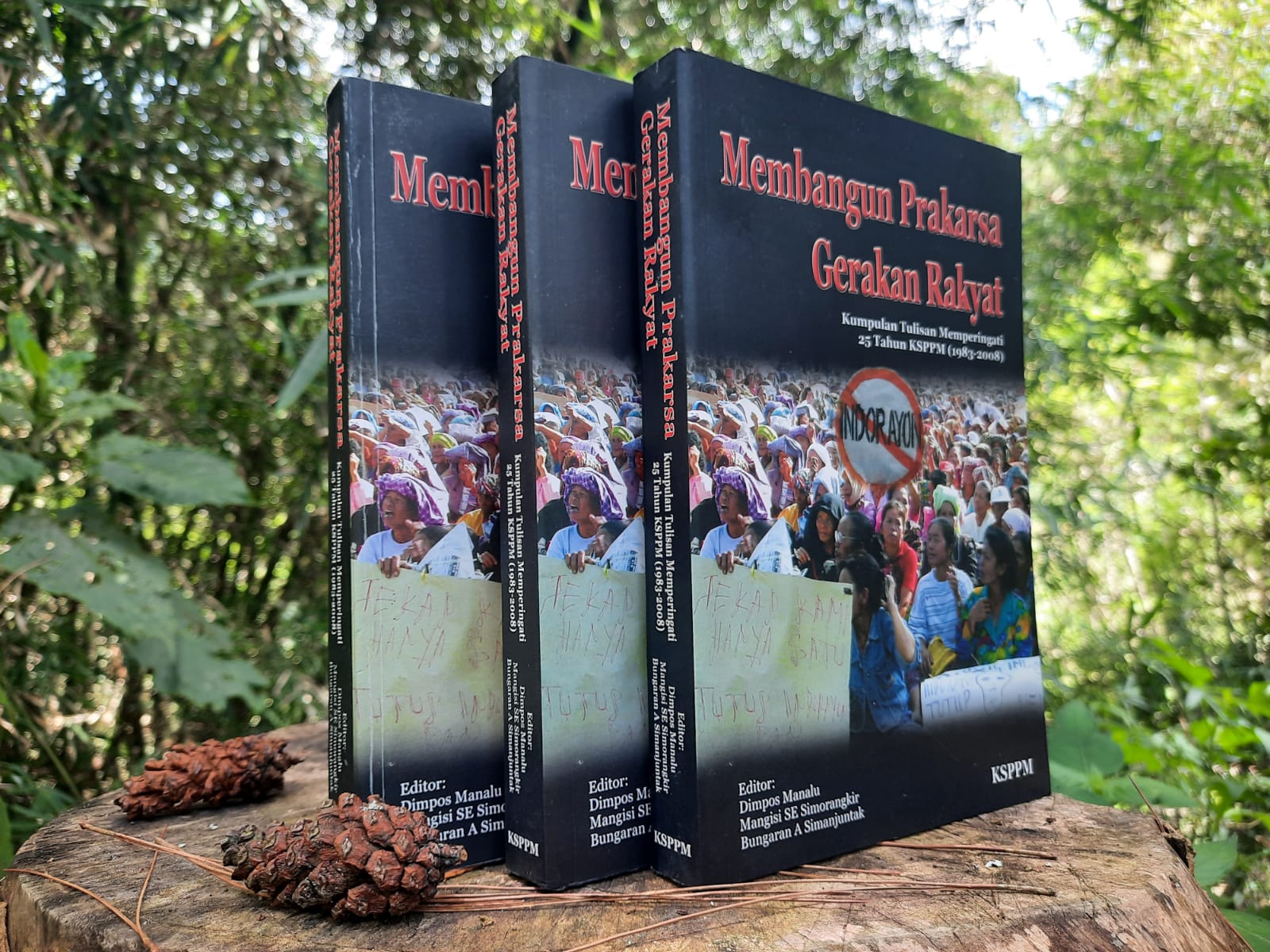
In his writing “Jonggi Manulus Credit Union: A Pastoral Case Study” (pp. 393-408), Rev. Mangisi Simorangkir compiles a number of interesting facts related to the condition of Jonggi Manulus (JM) Credit Union members. Jonggi Manulus is also the name of the village where this CU is located, a village in Porsea Sub-district. The village is not far from the pulp mill of PT Toba Pulp Lestari (TPL).

Notwithstanding its members’ belief and pride that CU JM goes far beyond money, a number of facts are worth thinking about.
Baca Juga

Boom-Bust-Quit: How The State Ripped Sianjur Mula-mula Off With Tourism

Smart Agriculture Development in Siria-Ria, Addressing What Issues?

First, there are complaints about “members who are less faithful in repaying their loans” (p. 395). This means that the problem of bad debts has already occurred, and this fact tends to be understood as a matter of personal morality as seen in the phrase “less faithful”. Here, the cause of defaulted loans has not been seen as a structural problem in the sense that there are objective conditions faced by farmers that cause their farming businesses to fail.

Second, the slow development of the CU. CU JM had only 13 families (25 people) as members for three years (p. 395). The reason cited is the financial and material assistance from PT TPL that many villagers receive. Villagers do not feel the need for a CU to obtain funds. There are also government-established cooperatives that are fundamentally different in character from CU JM. Of course, the low membership of CUJM is an organisational challenge.

Third, a number of CU JM members are landless farmers. They farm by renting land. The challenge is that “If the owner is unhappy with the tenant, he can simply make excuses and change the tenant” (p. 396) There is unhealthy competition among tenants to get the owner to rent the land to him. This shows how vulnerable the tenants are.

However, this third fact becomes even more interesting when linked to the farming method learnt and practised by CU JM members, namely Agriculture in Harmony with Nature (PSA), a farming method that does not use manufactured chemical inputs. “The results are amazing.” (p. 397). However, there were circumstances that caused “…the PSA knowledge they had acquired to be wasted.” (p. 397).

In the PSA method, implicitly, there is a long-term investment in the soil ecosystem. This investment is simply lost when the land is withdrawn by the owner. Often, land that has been cultivated using the PSA method is simply withdrawn by the owner. Some villagers are jealous of the success of the PSA method practised by CU JM members, and persuade the landowner to withdraw the land and rent it to someone else.

Here it is clear that the success and sustainability of the PSA method is very closely related to the structure of agrarian resource control, namely land. This means that if PSA is to be successful, efforts and advocacy to dismantle inequality in the control of the means of agricultural production, namely inequality in land ownership, are imperative. **
  • Baca juga tulisan menarik lainnya dari
  • Tim KSPPM
  • atau artikel terkait
  • News, Toba Zone

Tinggalkan Balasan Batalkan balasan

Alamat email Anda tidak akan dipublikasikan. Ruas yang wajib ditandai *

Artikel Sebelumnya

Metode PSA dan Ketimpangan Struktur Agraria

Artikel Berikutnya

An Ethical Challenge to Researcher-Academicians

Nature-Friendly Farming Methods and the Unequal Agrarian Structure
  • Oleh:
  • Tim KSPPM
  • •
  • 1 Mei 2022
Reading Time: 2 mins read
A A

This article is relatively old, but some of the issues it raises still seem relevant. What are they?

In his writing “Jonggi Manulus Credit Union: A Pastoral Case Study” (pp. 393-408), Rev. Mangisi Simorangkir compiles a number of interesting facts related to the condition of Jonggi Manulus (JM) Credit Union members. Jonggi Manulus is also the name of the village where this CU is located, a village in Porsea Sub-district. The village is not far from the pulp mill of PT Toba Pulp Lestari (TPL).

Notwithstanding its members’ belief and pride that CU JM goes far beyond money, a number of facts are worth thinking about.

Baca Juga

Boom-Bust-Quit: How The State Ripped Sianjur Mula-mula Off With Tourism

Smart Agriculture Development in Siria-Ria, Addressing What Issues?

First, there are complaints about “members who are less faithful in repaying their loans” (p. 395). This means that the problem of bad debts has already occurred, and this fact tends to be understood as a matter of personal morality as seen in the phrase “less faithful”. Here, the cause of defaulted loans has not been seen as a structural problem in the sense that there are objective conditions faced by farmers that cause their farming businesses to fail.

Second, the slow development of the CU. CU JM had only 13 families (25 people) as members for three years (p. 395). The reason cited is the financial and material assistance from PT TPL that many villagers receive. Villagers do not feel the need for a CU to obtain funds. There are also government-established cooperatives that are fundamentally different in character from CU JM. Of course, the low membership of CUJM is an organisational challenge.

Third, a number of CU JM members are landless farmers. They farm by renting land. The challenge is that “If the owner is unhappy with the tenant, he can simply make excuses and change the tenant” (p. 396) There is unhealthy competition among tenants to get the owner to rent the land to him. This shows how vulnerable the tenants are.

However, this third fact becomes even more interesting when linked to the farming method learnt and practised by CU JM members, namely Agriculture in Harmony with Nature (PSA), a farming method that does not use manufactured chemical inputs. “The results are amazing.” (p. 397). However, there were circumstances that caused “…the PSA knowledge they had acquired to be wasted.” (p. 397).

In the PSA method, implicitly, there is a long-term investment in the soil ecosystem. This investment is simply lost when the land is withdrawn by the owner. Often, land that has been cultivated using the PSA method is simply withdrawn by the owner. Some villagers are jealous of the success of the PSA method practised by CU JM members, and persuade the landowner to withdraw the land and rent it to someone else.

Here it is clear that the success and sustainability of the PSA method is very closely related to the structure of agrarian resource control, namely land. This means that if PSA is to be successful, efforts and advocacy to dismantle inequality in the control of the means of agricultural production, namely inequality in land ownership, are imperative. **
  • Baca juga tulisan menarik lainnya dari
  • Tim KSPPM
  • atau artikel terkait
  • News, Toba Zone

Tinggalkan Balasan Batalkan balasan

Alamat email Anda tidak akan dipublikasikan. Ruas yang wajib ditandai *

Artikel Sebelumnya

Metode PSA dan Ketimpangan Struktur Agraria

Artikel Berikutnya

An Ethical Challenge to Researcher-Academicians

Related Articles

Merampas, Menyingkirkan, Menelantarkan: Sianjur Mula-mula di Tangan Negara

Boom-Bust-Quit: How The State Ripped Sianjur Mula-mula Off With Tourism

17 Maret 2024
Pengembangan Smart Agriculture di Siria-Ria, Menjawab Persoalan Apa?

Smart Agriculture Development in Siria-Ria, Addressing What Issues?

8 Februari 2023
Petani dan Masyarakat Adat di Tano Batak Menyambut Hari Pangan: Hak Atas Tanah Untuk Pangan Yang Berdaulat

Farmers and Indigenous Peoples in Tano Batak Celebrate Food Day: Land Rights for Sovereign Food

12 Oktober 2022
Advokasi untuk Keadilan bagi Masyarakat Adat

Advocacy for Justice for Indigenous Peoples

5 Oktober 2022
Takut Tersandung Hukum, Bupati Kab. Toba Tidak Mengakui Keberadaan Masyarakat Hukum Adat

Fear of Legal Liability, Regent of Toba Regency Does Not Recognize the Existence of Customary Law Communities

4 Oktober 2022
Seri Diskusi Buku di UHN Medan : Nunga Leleng Hami Mian di Son; Perjuangan Panjang Masyarakat Adat Mendapatkan Pengakuan Negara

Book Discussion Series at UHN Medan: Nunga Leleng Hami Mian di Son; Indigenous Peoples’ Long Struggle for State Recognition

4 Oktober 2022

Kelompok Studi dan Pengembangan Prakarsa Masyarakat. Pada tahun 1984, pendahulu kami sangat prihatin dan peduli terhadap realitas kemiskinan, pelanggaran dan kekerasan terhadap hak asasi manusia, serta dampak buruk yang ditimbulkan pembangunan di Indonesia…Selengkapnya 

  • Girsang 1, Kec. Girsang Sipangan Bolon, Kab. Simalungun - Parapat, Sumatera Utara 21174
  • pksppm@yahoo.com
  • +0625 42393
Facebook Instagram X-twitter Youtube

Kelompok Studi dan Pengembangan Prakarsa Masyarakat. Pada tahun 1984, pendahulu kami sangat prihatin dan peduli terhadap realitas kemiskinan, pelanggaran dan kekerasan terhadap hak asasi manusia, serta dampak buruk yang ditimbulkan pembangunan di Indonesia…Selengkapnya 

  • Girsang 1, Kec. Girsang Sipangan Bolon, Kab. Simalungun - Parapat, Sumatera Utara 21174
  • pksppm@yahoo.com
  • +0625 42393
Facebook Instagram X-twitter Youtube
© Kelompok Studi dan Pengembangan Prakarsa Masyarakat - KSPPM. All Rights Reserved.
Home
Home
Buletin
Buletin
Channel
Channel
Explore
Explore
No Result
View All Result
en English id Indonesian
  • Beranda
  • Profile
    • Visi dan Misi
    • Profil KSPPM
    • Tentang KSPPM
    • Struktur Organisasi
    • Pelaksana Program
    • Staff
    • Badan Pendiri
  • Berita
    • Samosir
    • Toba
    • Tapanuli Utara
    • Humbahas
    • Liputan Media
    • Wilayah Lainnya
  • Buletin Prakarsa