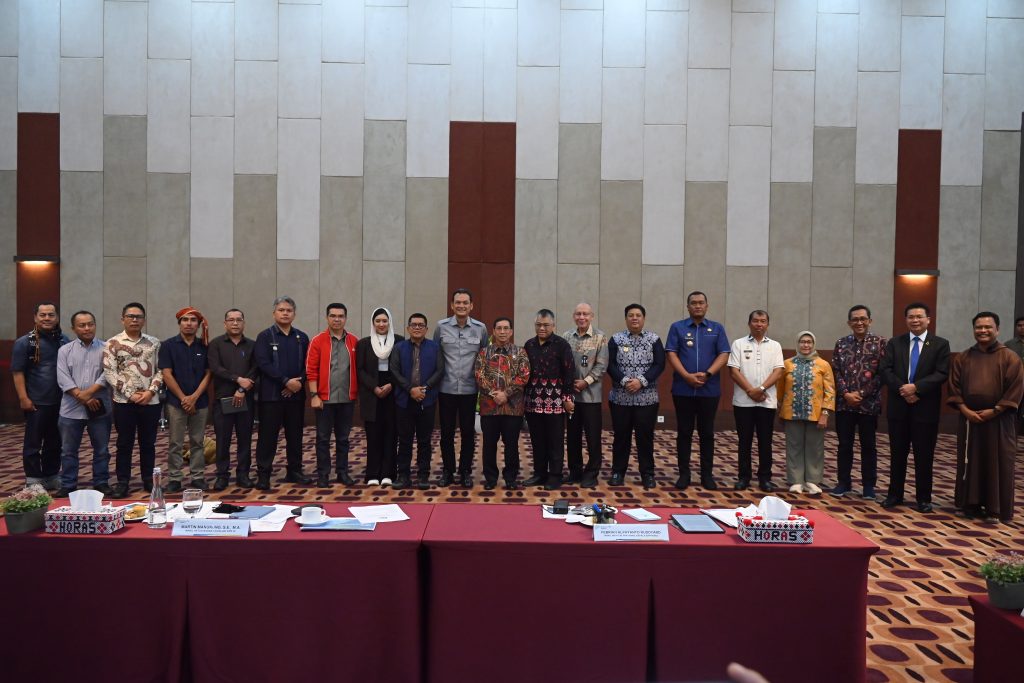

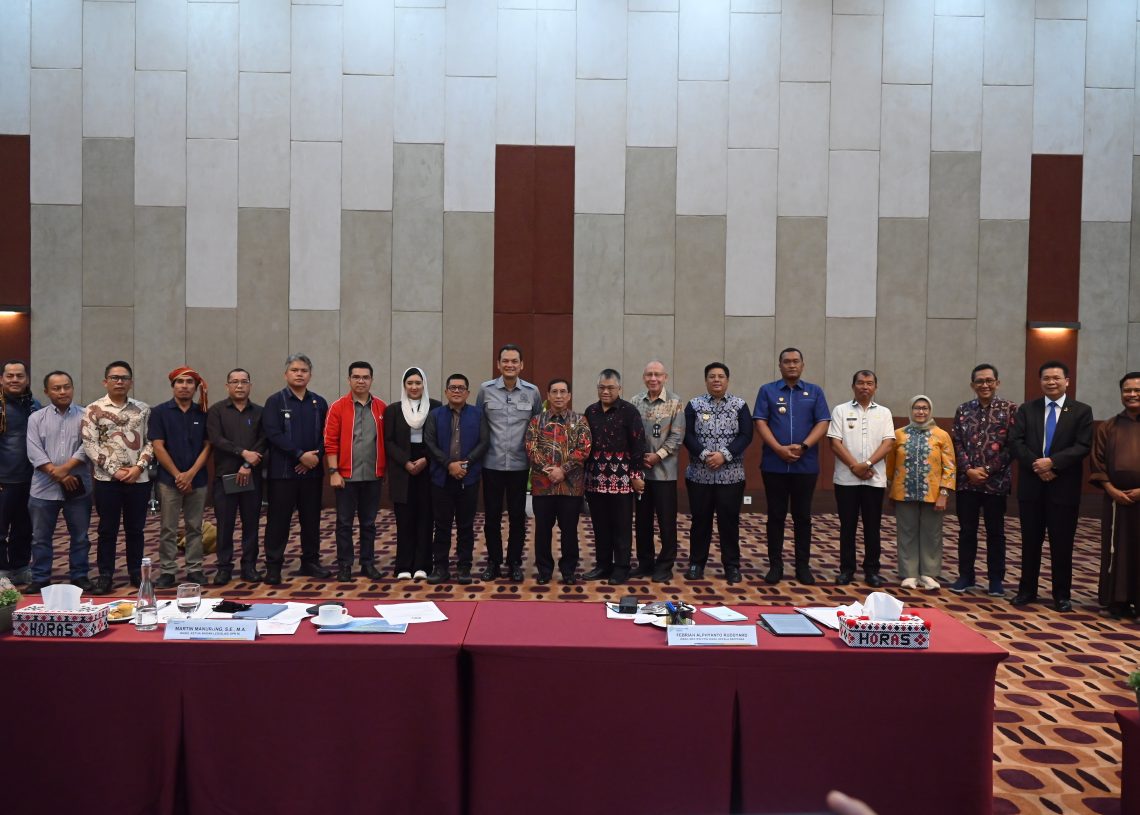
On Saturday, 09 May 2026, the Legislative Body of the Indonesian House of Representatives conducted a working visit to gather public input – particularly from the districts of Toba, Samosir, Humbang Hasundutan, North Tapanuli, and Simalungun – regarding the draft of the Indigenous Peoples Bill. The forum formed was part of the Legislative Body’s efforts to involve communities and stakeholders in accelerating the deliberation of the Indigenous Peoples Bill, which has long been included in the National Legislation Program but has yet to be passed into law.

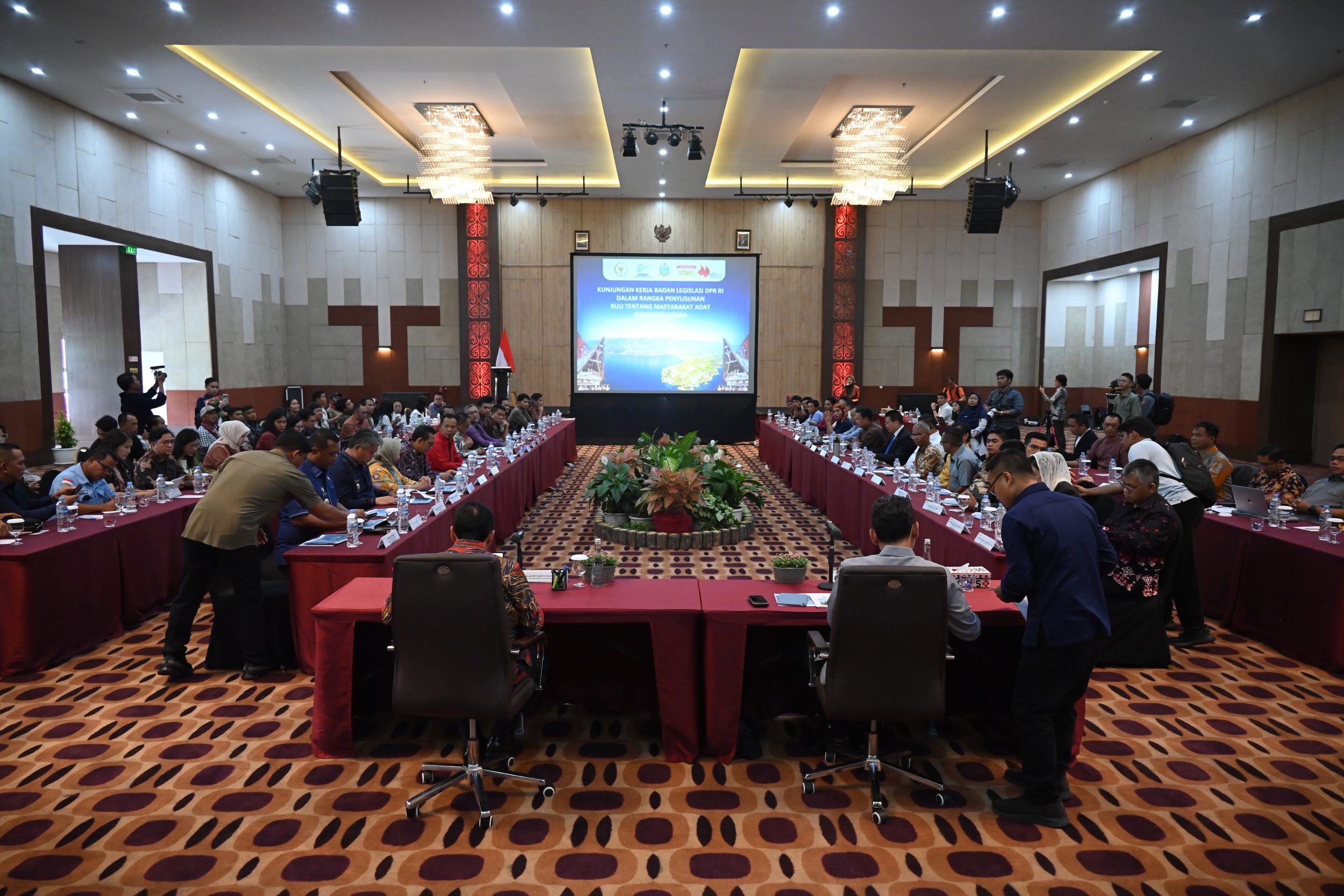
The public consultation forum was led by the Vice Chairperson of the Legislative Body of the Indonesian House of Representatives, Martin Manurung, alongside Febrian Alphyanto Ruddyard, Deputy Minister of the National Development Planning of Indonesia. Also in attendance were representatives from regional governments, regional legislatures, and the Regional Representative Council from the five districts mentioned above. The forum was further attended by the Ephorus/Bishop of HKBP (Huria Kristen Batak Protestan), Rev. Dr. Victor Tinambunan; the Chairperson of the Joint Secretariat of the Ecumenical Movement for Ecological Justice in North Sumatra, Rev. Walden Sitanggang; civil society organizations such as KSPPM, AMAN Tano Batak, BRWA, and Bakumsu; academics; as well as representatives of Indigenous communities from the five districts.

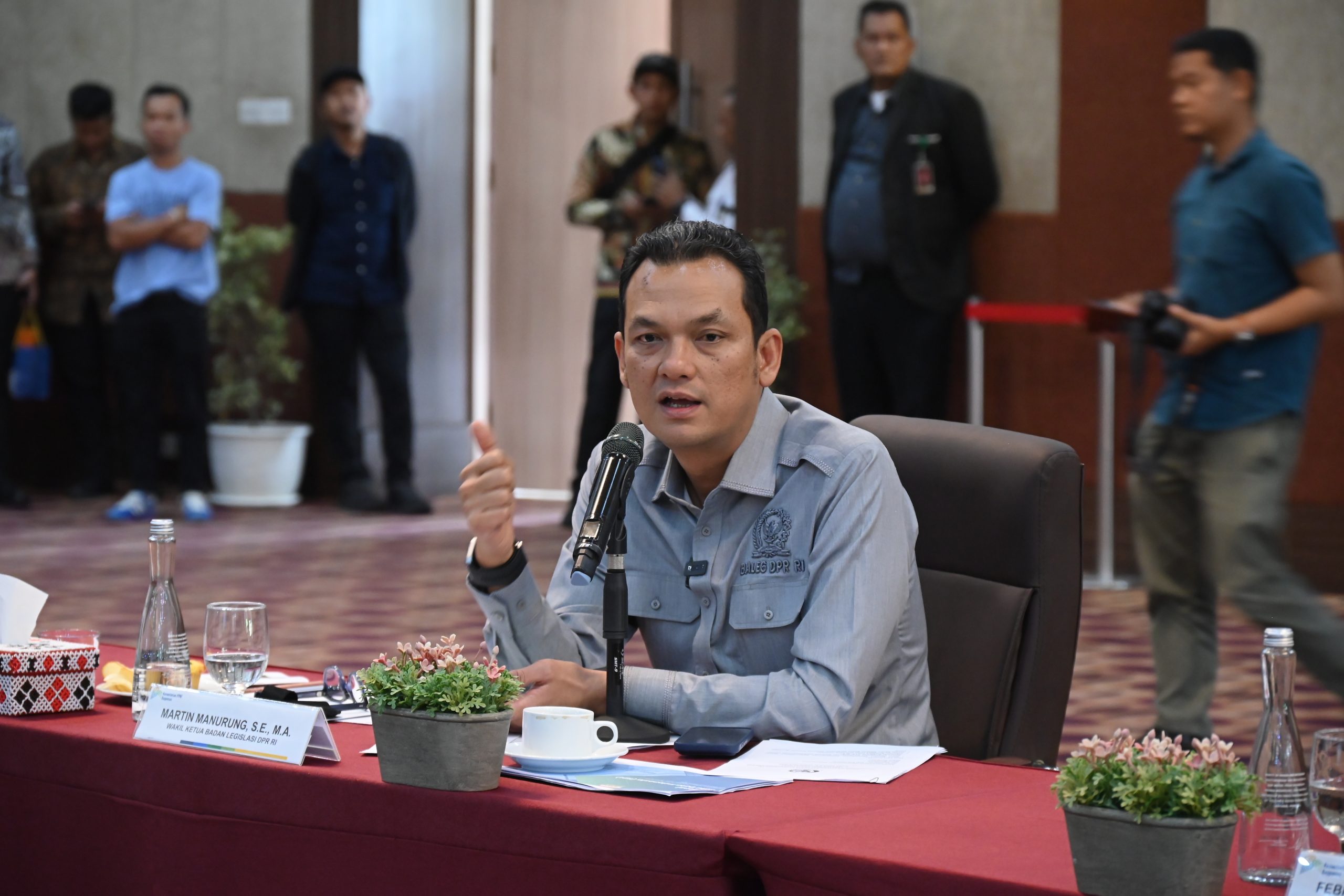
During the opening remarks, Martin Manurung emphasized that the draft of the Indigenous Peoples Bill has been on the priority list of the National Legislation Program (Prolegnas) for nearly two decades without being passed into law. He stated, “The Legislative Body of the Indonesian House of Representatives is committed to finalizing the Indigenous Peoples Bill as a form of constitutional protection for Indigenous communities in Indonesia. Two weeks ago, the nomenclature was reverted from customary law communities (Masyarakat Hukum Adat) to Indigenous communities (Masyarakat Adat), as it was considered more substantively appropriate.” Manurung also noted that similar public consultation forums have been conducted in three provinces: Bali, West Sumatra, and North Sumatra.
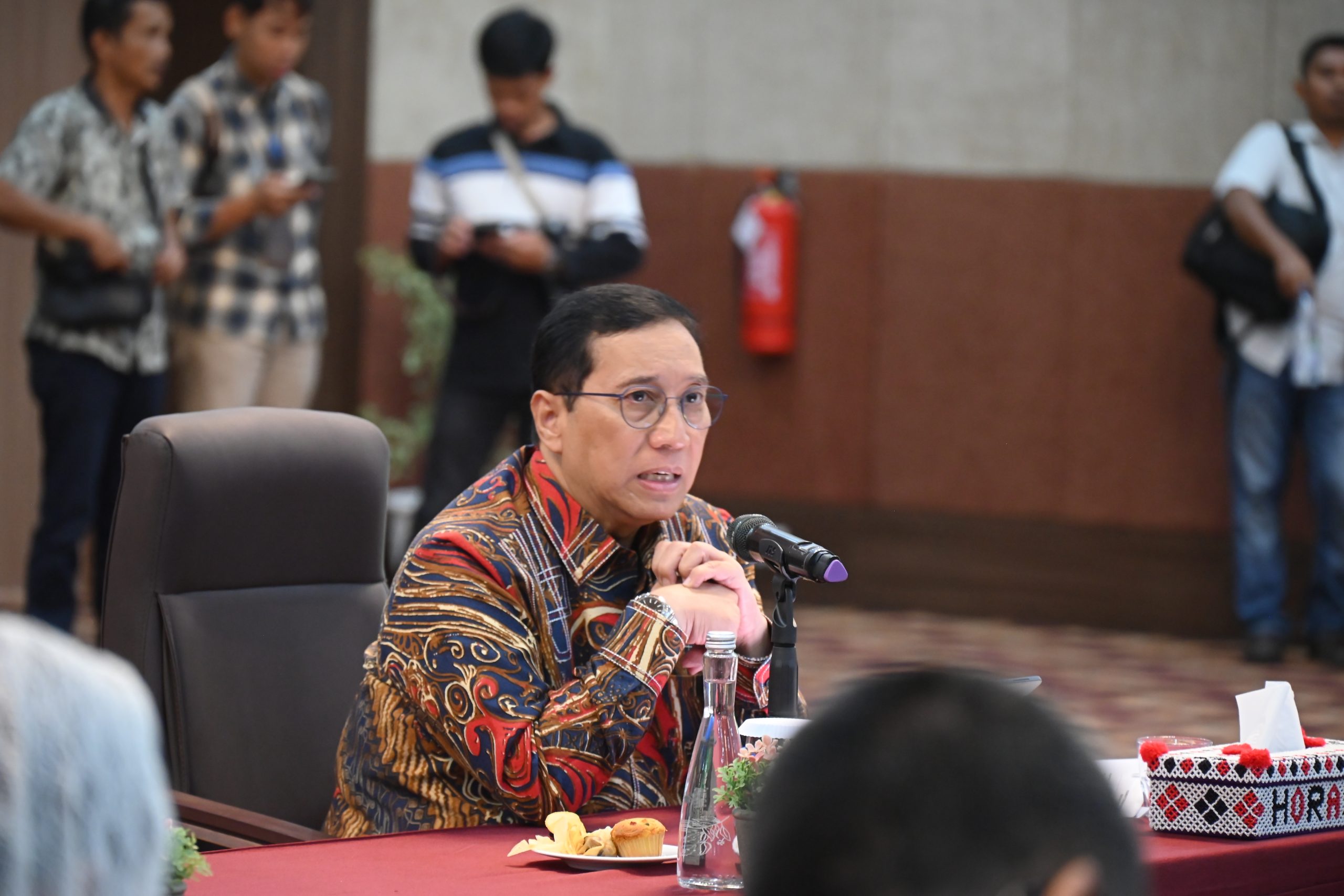
In his opening statement, Febrian Alphyanto Ruddyard stated that the Indigenous communities play a strategic role in inclusive and sustainable national development; recognizing and protecting Indigenous communities is not merely a regulatory matter, but also part of the efforts to preserve national identity, culture, and social and environmental balance.
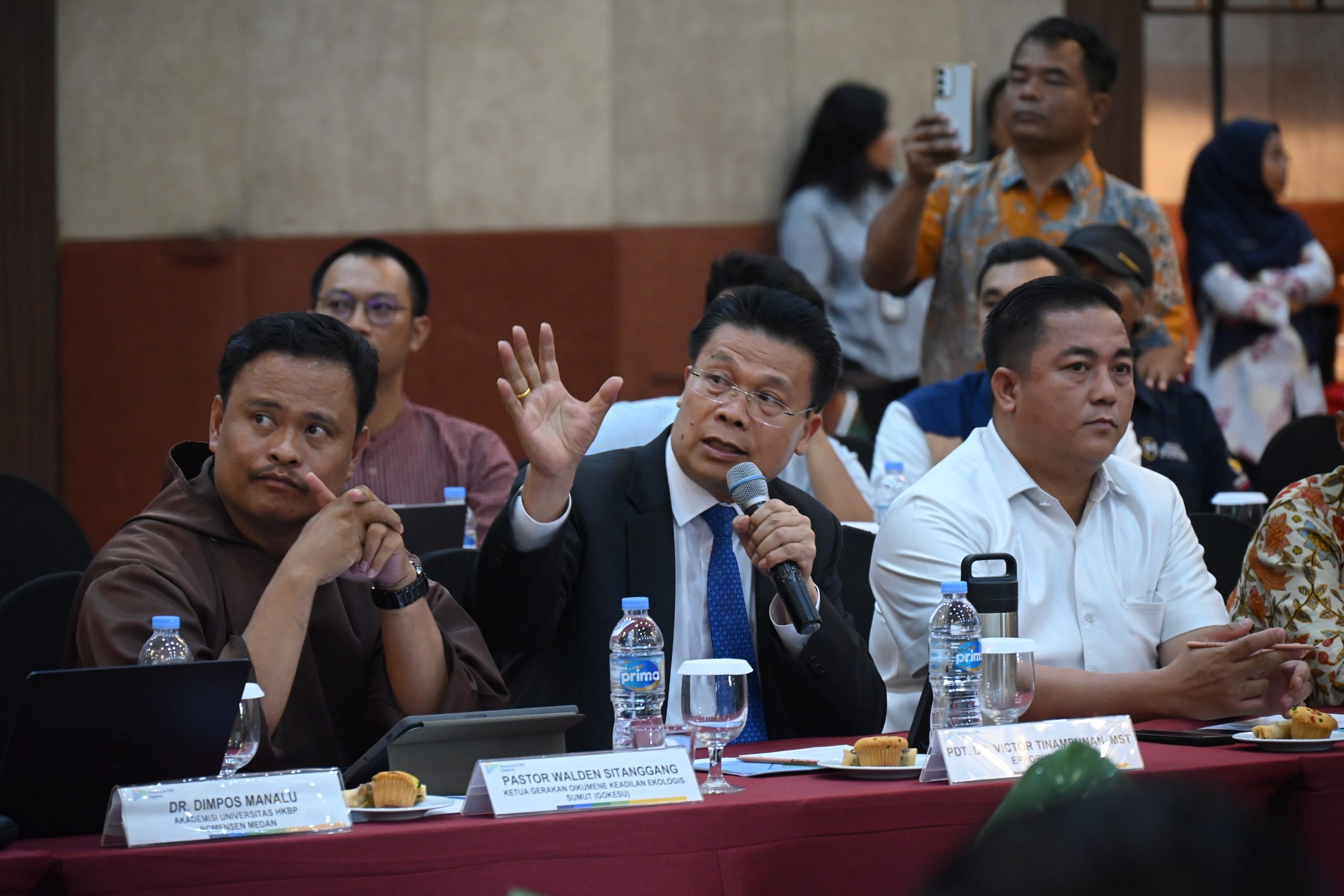
Meanwhile, the Ephorus of HKBP underscored that the “Indigenous communities existed long before the founding of the Unitary State of the Republic of Indonesia (NKRI)” and argued that their land is beyond an economic issue, but one that’s deeply connected to identity, spirituality, and the sustainability of life.
As the forum moved forward, civil society organizations, academics, and representatives of the Indigenous communities were given the opportunity to take the floor, with many offering critiques and recommendations regarding the current draft of the Indigenous Peoples Bill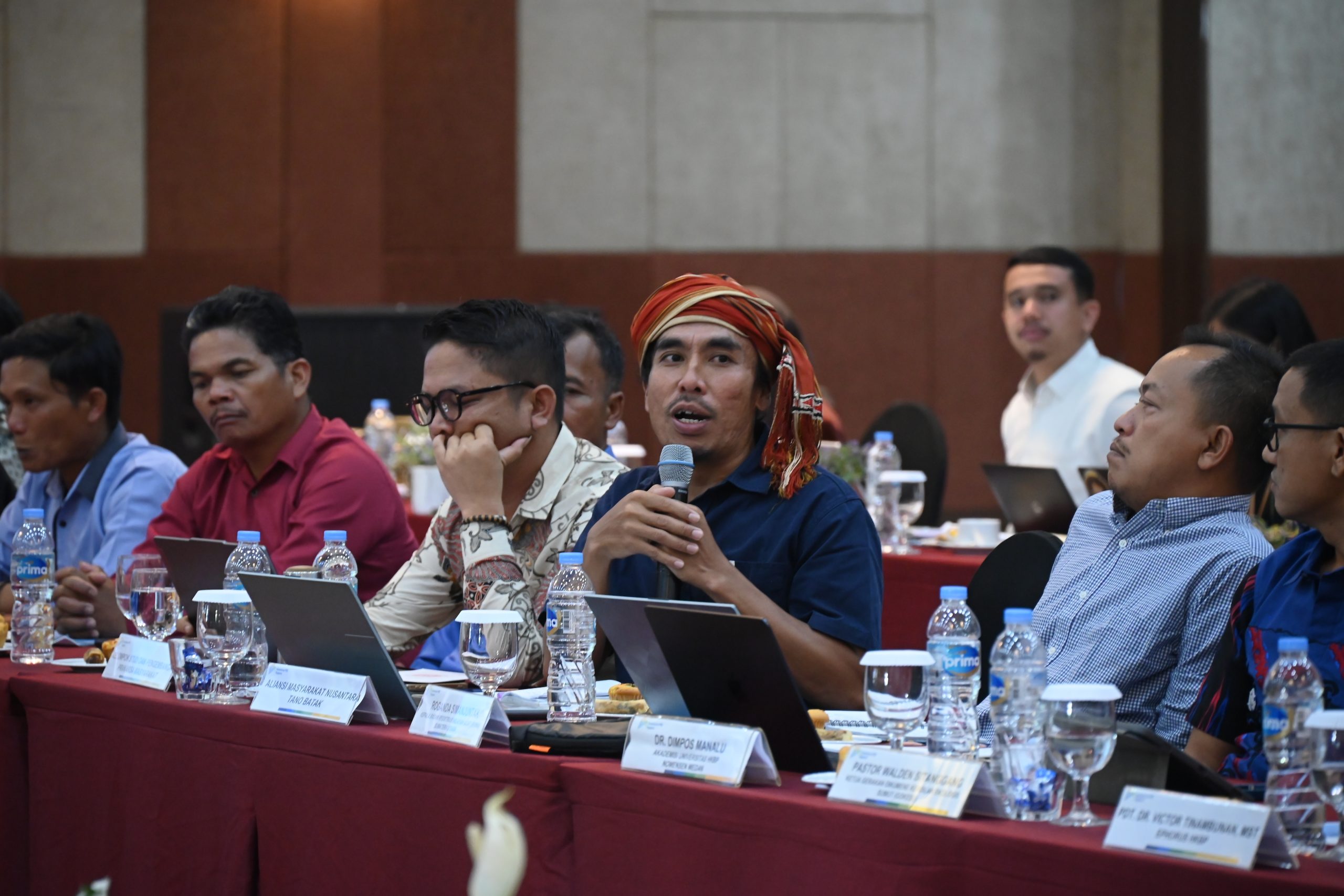
Firstly, participants called for the process for recognizing and registering Indigenous Peoples to be simplified, as the current mechanism is, in the words of Jhontoni Tarihoran (Chairperson of AMAN Tano Batak), “convoluted, conditional, and layered”. They argued that a process that fails to clearly identify its subjects ultimately undermines the protection of their rights. Tarihoran provided the following example, “in Toba, customary land as the object has been identified, while the Indigenous People who inherited the land, as the subject, has not been recognized”. According to him, this creates room for multiple interpretations that may weaken the rights of Indigenous Peoples. Therefore, it is important to simplify and ensure legal certainty over Indigenous Peoples’ rights to their identity and customary lands/territories.
Magitua Ambarita, from the Lamtoras Sihapora Simalungun community who attended as the representative of Indigenous communities, also proposed the establishment of an independent institution under the President specifically responsible for the registration of Indigenous Peoples to avoid prolonged and bureaucratic administrative processes.
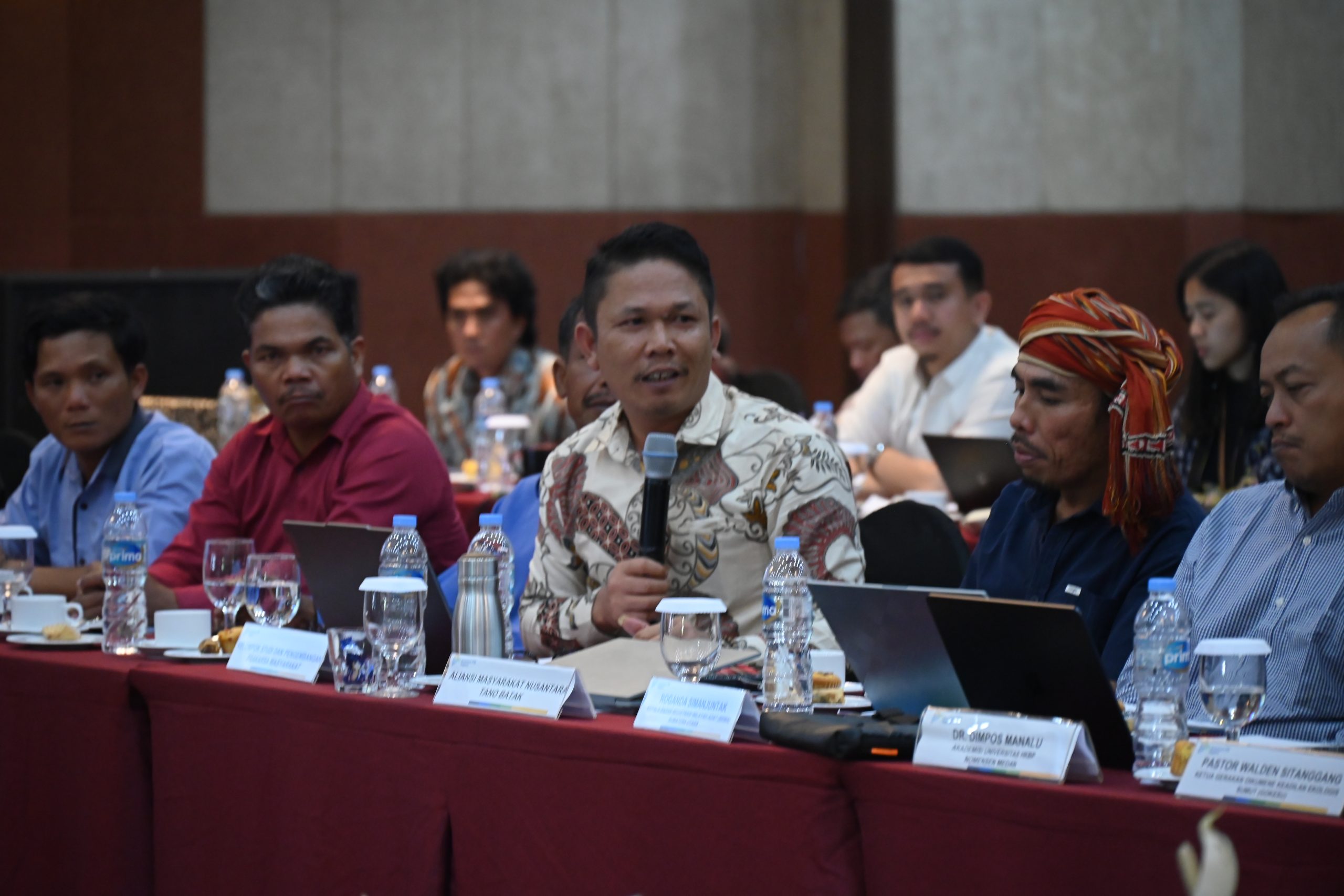
Secondly, many participants opposed the use of the term “recognition” in the bill. As Roki Pasaribu (Director of KSPPM) stated, “the bill defines the state as the sole authority to grant recognition – as if Indigenous Peoples do not exist unless recognized by the state.” He argued that this approach is dangerous because it disregards the historical reality that Indigenous Peoples existed long before the establishment of the Republic of Indonesia.
This concern was echoed by Roganda Simanjuntak (Chairperson of BRWA) who highlighted that “regarding identification, we (Indigenous Peoples) understand who we are better than anyone else”. Therefore, the best institutions to identify Indigenous Peoples are Indigenous Peoples themselves; the state is not viewed as the creator of Indigenous Peoples, but rather as an entity obligated to protect and uphold their rights.
Thirdly, participants stressed the need for protection against the criminalization of Indigenous Peoples. It was proposed that the Indigenous Peoples Bill include safeguards for Indigenous Peoples seeking formal recognition, particularly in cases where customary territories overlap with state-designated forest areas.
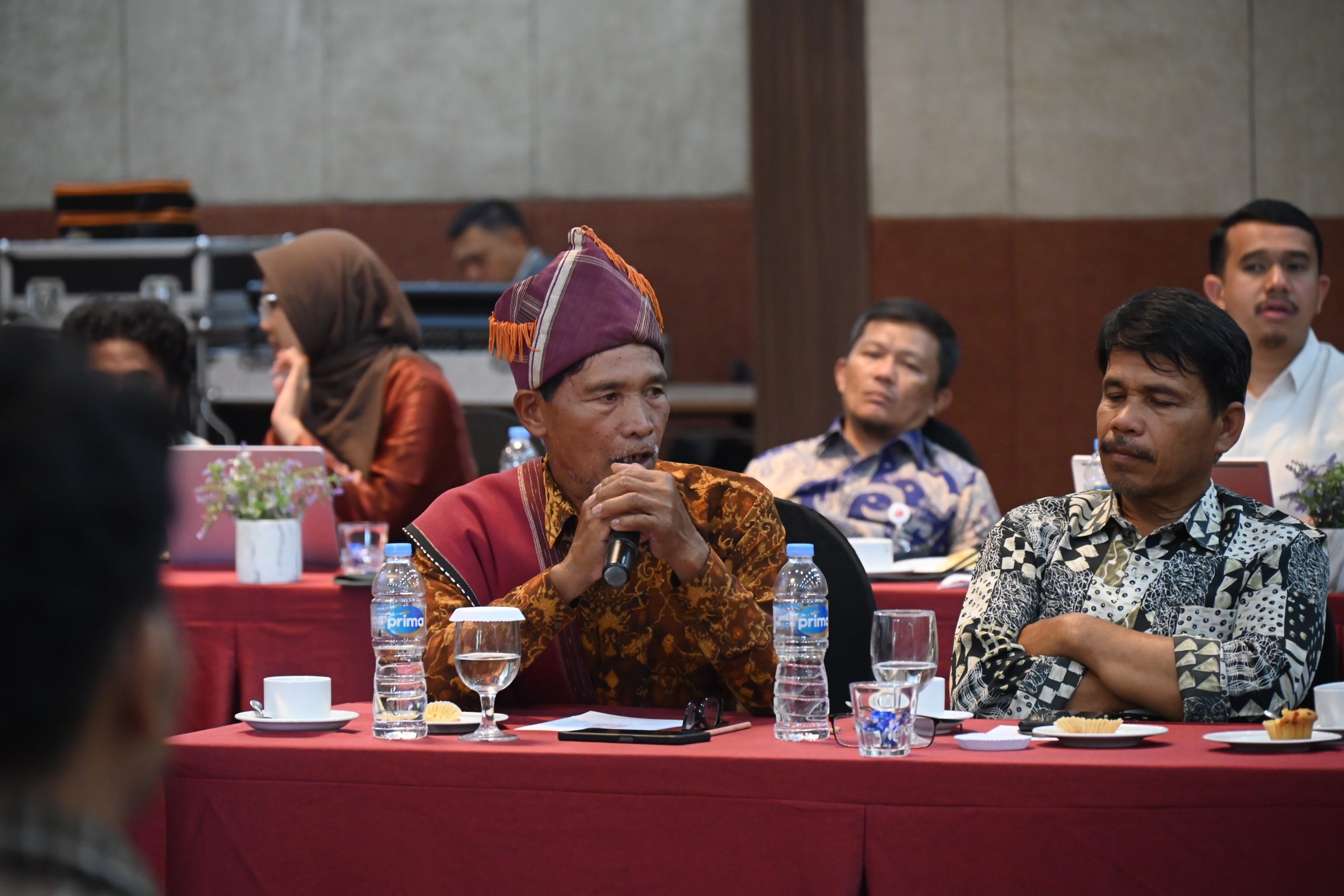
During his testimony, Magitua Ambarita recounted several experiences of defending his customary land only to be criminalized and imprisoned. He emphasized the need for greater “fairness” and “attention” towards the wellbeing of Indigenous Peoples. Similarly, Pasaribu reiterated that “the law does not guarantee protection for Indigenous Peoples during the recognition process to prevent criminalization. The law should accommodate and address the issues faced by communities experiencing criminalization.”
Furthermore, participants considered the current draft insufficient in addressing protections for vulnerable groups, particularly Indigenous women, who have traditionally carried the double burden of defending customary territories while managing responsibilities within domestic and community life.
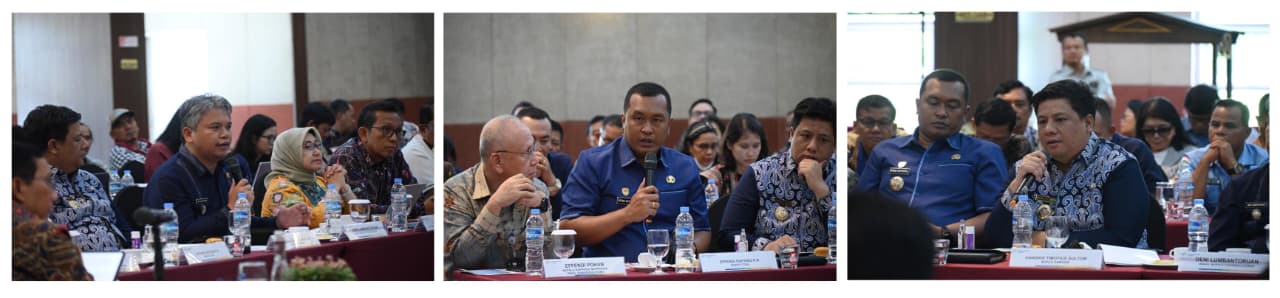
The regional heads in attendance – namely the Regent of Toba, the Regent of Samosir, the Regent of Humbang Hasundutan, and the Deputy Regent of North Tapanuli – expressed their support for the accelerated ratification of the Indigenous Peoples Bill. They noted that the Minister of Home Affairs Regulation No. 52 of 2014, which has served as the primary basis for the recognition of Indigenous Peoples, continues to pose challenges for local governments due to its complex procedures and frequent conflicts related to territorial boundaries and overlapping claims between Indigenous territories.
The Head of the Regional Office of the National Land Agency of North Sumatra Province, Sri Pranoto, highlighted the importance of integrating spatial data and strengthening spatial planning in order to prevent the overlaps between customary territories, forest areas, and concession permits.
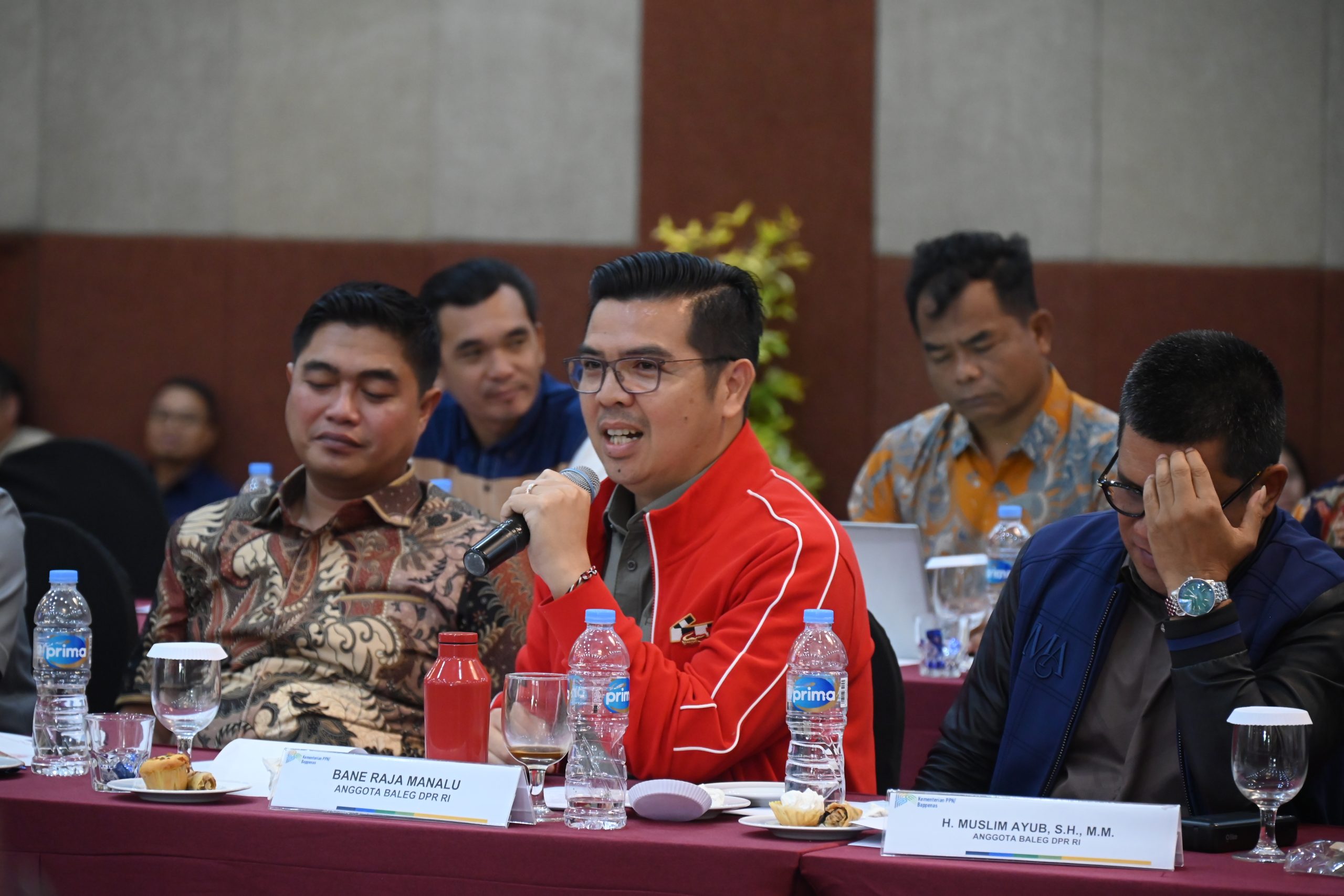
Bane Raja Manalu, a member of the Legislative Body of the Indonesian House of Representatives, emphasized the importance of “considering both geographical and cultural claims” in drafting the Indigenous Peoples Bill. He argued that the recognition of Indigenous Peoples “cannot be solely based on administrative territory,” particularly in regions with diverse communities, such as Simalungun.
He cited the case of the Indigenous People of Ompu Manotang Laut Ambarita Sihaporas (Lamtoras), who continue to face rejection of their Indigenous community status because administrative considerations remains more dominant than historical and cultural ones, despite their strong historical and cultural ties to their customary lands.
Manalu also highlighted the concerns regarding the current mechanism for recognizing Indigenous Peoples, which has largely been delegated to local governments. He argued that this mechanism has the potential to “create political problems and injustices because it is heavily influenced by local political dynamics”. In situations where regional leaders do not support Indigenous communities, the recognition process can be obstructed. Therefore, he stressed the need for a joint verification mechanism involving the central government to ensure that the recognition process is not shaped by local political interests.
Collectively, the governmental representatives expressed hope that the Indigenous Peoples Bill would simplify the requirements for recognizing Indigenous Peoples and strengthen the implementation of various regional policies that have been issued, including regional development, but also for maintaining environmental sustainability and safeguarding the quality of life of Indigenous Peoples.
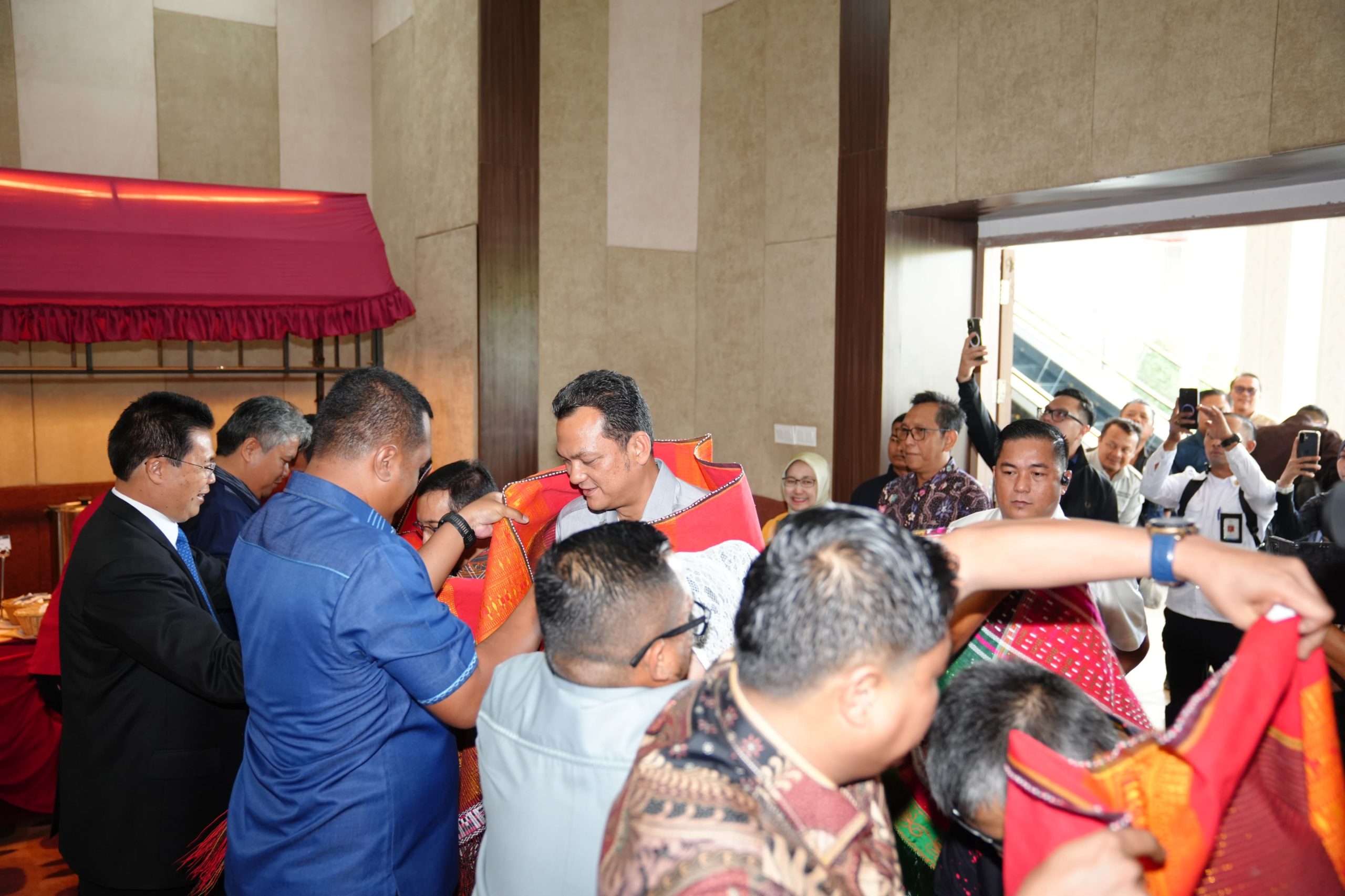
In closing, Martin Manurung assured participants that all input submitted during this hearing would be discussed by the Legislative Body of the Indonesian House of Representatives during the drafting process of the Indigenous Peoples Bill. In response, civil society representatives expressed hope that all elements of society would continue to be meaningfully involved in every stage of the drafting process, and that the aspirations conveyed would not remain merely formal records, but would be genuinely reflected in each article of the bill. They also emphasized the importance of ensuring that the Indigenous Peoples Bill prioritizes the interests of Indigenous Peoples, avoids ambiguous interpretations, and provides concrete protection for Indigenous communities. For them, the ratification of the Indigenous Peoples Bill should no longer remain a recurring political promise repeated from one legislative term to the next but should finally be realized and enacted.